
flydubai Flight’s Sudden Drop Explained: Expert Insights on the ‘Vertical Roller Coaster’ Incident
What Happened on the flydubai Flight?
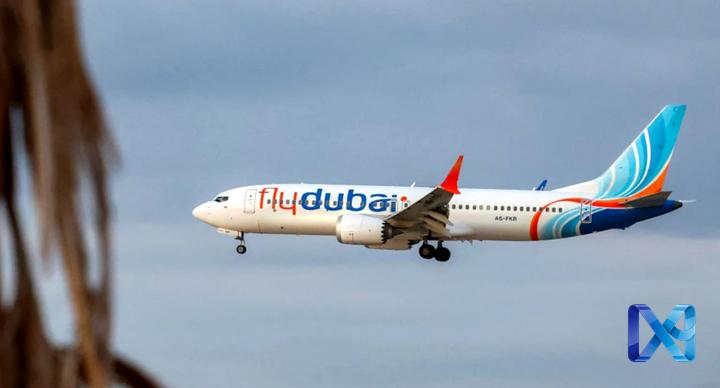
On a routine scheduled service, a flydubai Airbus A321 suddenly entered a steep, uncommanded descent that passengers described as a "vertical roller coaster." The aircraft dipped several thousand feet within minutes before the flight crew stabilized the plane and completed a safe landing.
The incident sparked immediate concern among travelers, regulators, and industry analysts, prompting a flurry of speculation about possible technical failures, weather influences, or operational errors.

Advertisement / Click to Enlarge
Background Context
flydubai, a low‑cost carrier based in Dubai, operates a fleet primarily composed of Airbus A320 family aircraft. Its safety record has generally been strong, with rigorous maintenance schedules and adherence to international aviation standards. However, the airline’s rapid expansion over the past decade has increased flight frequencies on routes that sometimes traverse challenging weather corridors.
Known Factors at Play
- Weather Conditions: The flight path intersected a region of convective activity, with reports of strong updrafts and wind shear.
- Aircraft Systems: Preliminary data from the flight data recorder indicated a brief anomaly in the autopilot’s pitch‑control module.
- Human Factors: Crew resource management and decision‑making under stress are always critical during unexpected events.
While none of these elements alone explain the plunge, their combination creates a plausible scenario for the abrupt altitude change.

Advertisement / Click to Enlarge
Expert Analysis: Why the Plane Felt Like a Roller Coaster
Aviation safety specialist Dr. Lina Hassan explains that sudden vertical movements often arise from rapid shifts in lift, commonly caused by severe wind shear or a momentary loss of autopilot authority. In this case, the aircraft likely encountered a microburst a narrow, powerful downdraft that can force an aircraft downward faster than it can climb.
When a microburst hits, the plane’s angle of attack can increase sharply, prompting the autopilot to command nose‑up inputs. If the system overcompensates, the aircraft may climb too quickly before settling back down, creating the sensation of a roller‑coaster ride for those aboard.
Investigative Steps Underway
flydubai has announced that the incident is under investigation by the General Civil Aviation Authority (GCAA) of the United Arab Emirates. The investigative process will involve:
- Retrieving and analyzing the flight data recorder (FDR) and cockpit voice recorder (CVR).
- Reviewing air traffic control communications and radar tracks.
- Conducting a detailed inspection of the aircraft’s autopilot and flight‑control systems.
- Assessing weather reports and satellite imagery for the flight window.
Findings will be published in a final report, which could lead to safety recommendations for the airline, manufacturers, or regulatory bodies.
Key Takeaways for Passengers and the Industry
While the incident was unsettling, the crew’s professionalism prevented any injury, underscoring the importance of rigorous training and adherence to emergency procedures. For the broader aviation community, the event highlights three critical lessons:
- Continuous Monitoring of Weather: Advanced detection of microbursts and wind shear can give pilots more time to react.
- System Redundancy: Robust autopilot designs that can hand off control smoothly reduce the risk of over‑correction.
- Transparent Communication: Prompt, factual updates from airlines help maintain passenger confidence during investigations.
Travelers should remain aware that modern commercial aircraft are built to withstand extreme conditions, and that incidents like this, while rare, serve as catalysts for ongoing safety improvements.