
Deadly Boiler Explosion Shuts Sri City SEZ, Government Announces Ex Gratia and Inquiry
Incident Overview
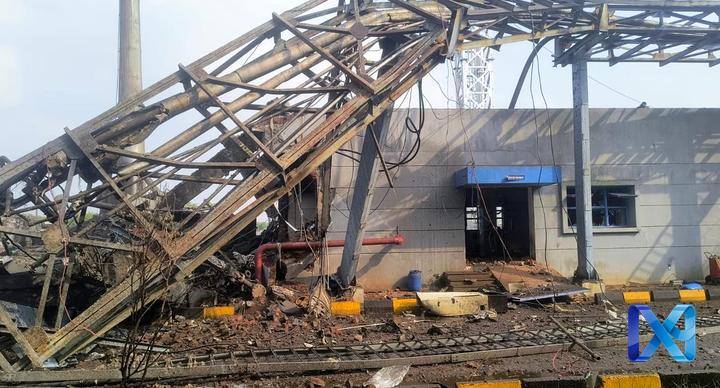
On Tuesday morning, a catastrophic boiler explosion ripped through a manufacturing unit inside the Sri City Special Economic Zone (SEZ) in Andhra Pradesh, killing five workers and injuring more than ten others. The blast sent shrapnel and scalding steam across the plant floor, prompting an immediate emergency response from local fire services and medical teams.

Advertisement / Click to Enlarge
Immediate Government Response
Within hours, the state government declared a disaster zone and announced an ex gratia payment of ₹50 lakh to the next of kin of each deceased worker. A high‑level committee comprising senior officials from the Ministry of Labour, the Directorate of Factories, and the Andhra Pradesh Industrial Development Corporation has been constituted to investigate the root causes and recommend corrective actions.
Background of Sri City SEZ
Sri City SEZ, spanning over 7,500 acres, is a flagship industrial hub that houses a diverse mix of automotive, electronics, and pharmaceutical manufacturers. The zone benefits from tax incentives, robust infrastructure, and streamlined customs processes, attracting both domestic and foreign investment. However, rapid expansion has sometimes outpaced safety oversight, raising concerns among labour unions and safety watchdogs.
Safety Record and Prior Incidents
While Sri City has maintained a relatively clean safety record, previous minor incidents involving equipment malfunctions have been reported. Inspections by the Factory Inspection and Certification (FIC) department have highlighted gaps in routine maintenance schedules and employee training programs, especially for high‑risk machinery such as boilers and pressure vessels.

Advertisement / Click to Enlarge
Key Findings from Preliminary Investigations
- Maintenance Lapses: Records indicate the boiler had missed its annual over‑haul, and critical safety valves were either corroded or improperly calibrated.
- Operator Training Deficiencies: Workers operating the boiler lacked formal certification, relying on on‑the‑job guidance that may not meet statutory standards.
- Regulatory Oversight Gaps: The facility’s last comprehensive safety audit was conducted two years prior, a period during which production capacity increased by 30%.
Policy Implications
The tragedy underscores the need for stricter enforcement of the Factories Act and the Pressure Vessels (Safety) Rules. Experts suggest that mandatory real‑time monitoring sensors and third‑party audits could mitigate similar risks. The high‑level committee’s final report, expected within three months, is anticipated to propose stricter penalties for non‑compliance and incentives for proactive safety management.
Takeaways for Industry Stakeholders
1. Prioritize Preventive Maintenance: Regular boiler inspections and timely replacement of worn components are non‑negotiable.
2. Invest in Workforce Training: Certified training programs for operators can dramatically reduce human error.
3. Enhance Regulatory Collaboration: Companies should work closely with inspectors to schedule frequent audits, especially after scaling operations.
By addressing these areas, manufacturers can protect lives, preserve productivity, and uphold the reputation of India's burgeoning industrial corridors.