
US Pushes Fresh Ukraine‑Russia Talks This Month as Kyiv Engages American Mediators
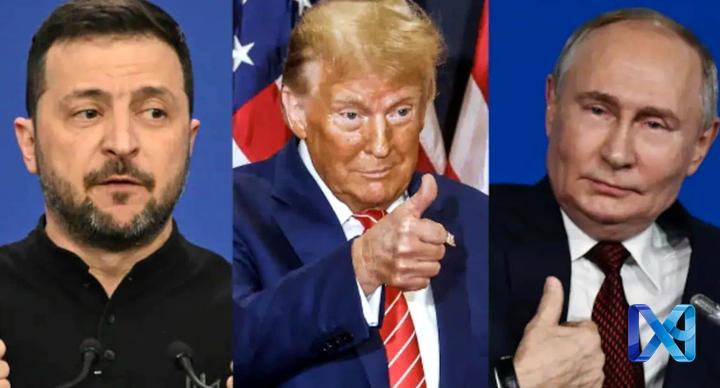
Background to the Renewed Diplomatic Push
The United States has signaled a renewed diplomatic offensive aimed at restarting high‑level negotiations between Kyiv and Moscow. After months of stalled dialogue, Washington’s diplomatic corps believes that a fresh round of talks could create a window for de‑escalation before the upcoming winter season, when humanitarian needs intensify.

Advertisement / Click to Enlarge
Historically, cease‑fire agreements in the region have hinged on external pressure and incentives. The current American stance builds on previous summit outcomes, leveraging economic aid packages and security guarantees to persuade both sides to come to the table. The timing aligns with a broader Western strategy to prevent further territorial advances and to solidify a diplomatic framework that can be expanded in the coming months.
Why the United States Is Leading the Initiative
U.S. officials argue that a credible third‑party facilitator is essential for any lasting agreement. By offering to host preliminary sessions and provide logistical support, Washington hopes to demonstrate commitment without appearing to dictate terms. This approach also serves domestic political narratives that emphasize active involvement in European security.
Key Factors Driving the Push
- Escalating civilian casualties and infrastructure damage have raised the urgency for a diplomatic reset.
- Energy security concerns across Europe are prompting allies to seek a swift resolution.
- Recent intelligence assessments suggest that both Kyiv and Moscow are experiencing strategic fatigue, making them potentially more receptive to negotiation.
In parallel, diplomatic channels have reported that Ukrainian officials have been in direct contact with American negotiators, discussing possible frameworks for a new round of talks. These conversations, held on a Saturday, focused on confidence‑building measures, prisoner exchanges, and the establishment of a monitoring mechanism to verify compliance.

Advertisement / Click to Enlarge
The involvement of American mediators marks a notable shift from earlier multilateral attempts that relied heavily on European Union and NATO actors. By taking a leading role, the United States aims to streamline communication, reduce bureaucratic delays, and present a unified front that can pressure both parties toward compromise.
Potential Outcomes and Challenges
If successful, the upcoming talks could lay the groundwork for a phased cease‑fire, the opening of humanitarian corridors, and a roadmap for the gradual withdrawal of foreign forces from contested regions. However, significant obstacles remain, including deep‑seated mistrust, divergent territorial claims, and the risk of spoilers undermining the process.
Analysts caution that any agreement must be underpinned by robust verification mechanisms, perhaps involving international observers or satellite monitoring, to ensure that both sides adhere to the terms. Moreover, the diplomatic community stresses the importance of linking any cease‑fire to a broader political settlement that addresses security guarantees for all stakeholders.
Key Takeaways
- The United States is positioning itself as the primary catalyst for a new round of Ukraine‑Russia negotiations this month.
- Ukrainian officials have already engaged with American negotiators, signaling readiness to explore compromise.
- Successful talks could lead to immediate humanitarian relief and a framework for long‑term stability, but they face entrenched mistrust and geopolitical complexities.