
British Couple Transports Indian Auto Rickshaw Home as Quirky Souvenir – Inside the Story
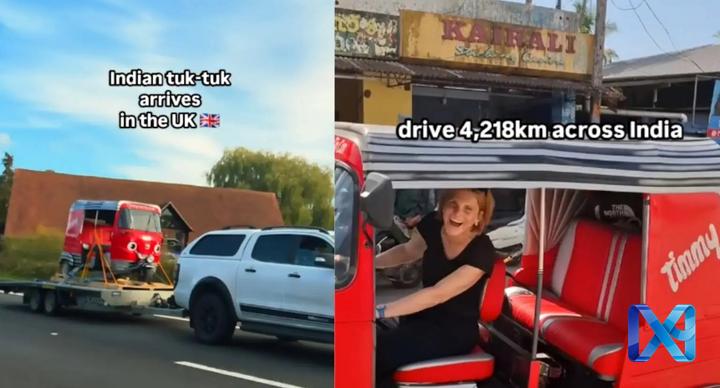
From Delhi Streets to a British Living Room
A modest three‑wheeled auto rickshaw, the iconic symbol of Indian urban chaos, has completed an unlikely voyage across continents. A British couple, enamoured with the vehicle’s vibrant paintwork and cultural cachet, arranged for the rickshaw to be shipped from New Delhi to a suburb of London, turning a spontaneous travel memory into a permanent home décor piece. Their decision sparked a flurry of online debate about nostalgia, import regulations, and the ethics of transporting functional transport across borders.
Why an Auto Rickshaw?
Auto rickshaws, often called “tuk‑tuks,” are more than cheap taxis; they are cultural ambassadors that embody India’s bustling street life, entrepreneurial spirit, and colorful aesthetic. For many travelers, a ride inside one is a rite of passage, a snapshot of everyday Indian hustle. The couple’s fascination grew from a week‑long road trip that saw them navigating Delhi’s traffic, bargaining with drivers, and photographing the vehicle from every angle. The rickshaw’s bright orange hue and hand‑painted motifs reminded them of the country’s creative resilience, prompting the idea of bringing it home as a tangible reminder.
From Dream to Shipping Container
Turning a whimsical idea into reality required more than a postcard‑ready photo. The couple contacted a specialist logistics firm that handles oversized cargo. After securing a quote, they disassembled the rickshaw removing the headlamp, seat, and rear storage box to fit it into a standard 20‑foot container. The process took three weeks, during which they negotiated with customs brokers both in India and the United Kingdom. The paperwork demanded proof that the vehicle would not be used on public roads, that it was a “personal souvenir,” and that all taxes and duties were paid in full.

Advertisement / Click to Enlarge
Logistical and Legal Hurdles
Importing a motorised vehicle into the UK is no small feat. The couple had to obtain a Vehicle Type Approval Certificate, even though the rickshaw would remain a static display. They also faced a value‑added tax (VAT) assessment based on the rickshaw’s declared market price, which they strategically listed as a “collectible item” rather than a functional automobile to reduce the levy. Additionally, they arranged for a temporary registration plate, solely to satisfy paperwork, and ensured the engine was drained of fuel to comply with safety regulations.
Cultural Resonance and Public Reaction
When the story broke on social media, reactions ranged from admiration to criticism. Some praised the couple for preserving a piece of Indian heritage, while others argued that exporting such a culturally significant vehicle reinforced a form of “souvenir colonialism.” The debate echoed larger conversations about the commodification of travel experiences and the line between appreciation and appropriation. Notably, Indian industrialist Harsh Goenka amplified the discussion with a concise post on X, highlighting the rickshaw’s symbolism and urging followers to consider the broader implications of such cross‑cultural exchanges.
Impact on Travel Souvenir Trends
Historically, travelers have collected postcards, magnets, and t‑shirts, but the auto rickshaw represents a shift toward immersive, experiential keepsakes. The story has inspired other adventure‑seeking tourists to contemplate transporting larger, more unconventional items think bamboo bicycles or handcrafted saris as statements of identity and memory. Industry analysts predict a niche market for “heritage shipping services,” where firms will specialize in navigating customs, documentation, and preservation requirements for culturally rich artifacts.

Advertisement / Click to Enlarge
Key Takeaways
- Transporting an iconic vehicle demands meticulous planning, legal compliance, and financial investment.
- The act of bringing a foreign cultural object home can spark meaningful dialogue about appreciation versus appropriation.
- Social media amplifies personal travel stories, turning individual decisions into broader cultural conversations.
- Emerging logistics services may soon cater specifically to travelers seeking to ship heritage items as souvenirs.