
Fed Holds Rates Amid Iran Conflict‑Driven Inflation Surge – What Investors Need to Know
Background
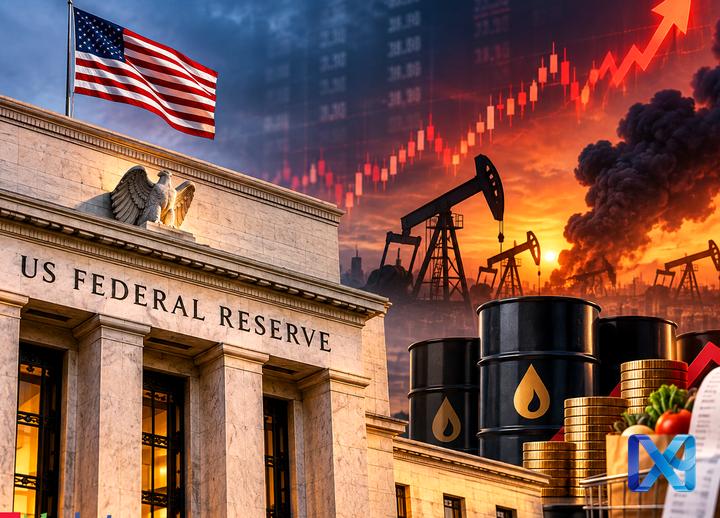
The U.S. economy has entered a delicate phase where monetary policy, geopolitical risk, and inflationary pressures intersect. After a series of aggressive hikes that pushed the federal funds rate to its highest level in over two decades, market participants have been awaiting the Federal Reserve’s next move. The latest data show consumer price inflation accelerating again, driven largely by energy costs, while the labor market remains tight.
Why the Fed Might Hold
Federal Reserve officials have signaled that they are leaning toward a pause at the upcoming policy meeting. The central bank’s dual mandate to achieve price stability and maximum employment requires a careful balance. With core inflation still above the 2% target and real wages under pressure, the Fed does not want to shock the economy with another rate hike. Moreover, Chairman Kevin Warsh’s forthcoming remarks are expected to provide clues about the December decision, reinforcing the market’s anticipation of a hold.
Impact of Iran Conflict on Energy Prices
The renewed hostilities in the Persian Gulf have tightened global oil supplies, pushing Brent crude above $90 per barrel. Although the United States is less directly dependent on Iranian oil, higher global prices ripple through the domestic market, affecting gasoline, jet fuel, and even agricultural inputs. This external shock is feeding the latest uptick in the Consumer Price Index, reigniting concerns that the Fed may need to reassess its stance if inflation proves sticky.
Supply‑side shock
Geopolitical risk amplifies the existing supply‑side constraints caused by OPEC+ production cuts and logistical bottlenecks. Traders are pricing in a risk premium, which translates into higher futures prices and, ultimately, higher retail pump prices for American consumers.
Consumer price dynamics
Higher energy costs are not limited to fuel; they cascade into transportation, manufacturing, and household utilities. The resulting cost‑push inflation adds to the demand‑pull pressures already present from a robust job market, creating a compound effect that the Fed must monitor closely.
Market Reactions
Equity markets have responded with heightened volatility. Technology and growth stocks, which are sensitive to rate expectations, have retreated, while defensive sectors such as utilities and consumer staples have shown relative resilience. Bond yields have edged higher, reflecting investors’ demand for a risk premium in anticipation of persistent inflation.
- Expect continued sideways movement in major indices as investors digest mixed data.
- Watch Treasury yields for signs of a longer‑term inflation outlook.
- Monitor Fed Chair Warsh’s language for hints on future tightening cycles.
- Energy‑heavy sectors may experience short‑term gains if oil prices stay elevated.
- Currency markets could see a stronger dollar if the Fed signals confidence in its inflation fight.
Outlook
Looking ahead, the Fed’s decision will hinge on whether inflationary pressures prove transitory or become entrenched. If the Iran‑driven energy spike subsides, the central bank may feel comfortable maintaining a steady rate, allowing the economy to breathe. Conversely, a sustained rise in consumer prices could push policymakers toward a more aggressive stance later in the year. Investors should stay vigilant, focusing on the interplay between geopolitical developments, energy markets, and the Fed’s communication strategy.

Advertisement / Click to Enlarge

Advertisement / Click to Enlarge