
Trump Pushes Oil Pact with Putin to Leverage Ukraine Peace Talks
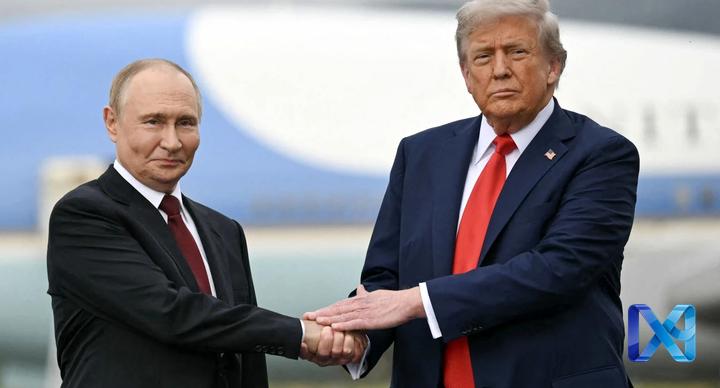
In a surprising diplomatic turn, former President Donald Trump has signaled a willingness to negotiate an oil‑focused agreement with Russian President Vladimir Putin, framing the deal as a lever to coax Moscow toward concessions that could end the protracted Ukraine war.

Advertisement / Click to Enlarge
The proposal surfaces amid growing fatigue in Washington and Brussels over the stalled peace process. While traditional channels have focused on sanctions and military aid, Trump’s strategy hinges on leveraging Russia’s energy dependence on Western markets. By offering a mutually beneficial oil arrangement, he hopes to create a bargaining chip that could persuade Putin to de‑escalate his offensive in Ukraine.
Background and Context
Since February 2022, the conflict in Ukraine has reshaped global energy markets. Europe’s urgent need to replace Russian gas has accelerated investments in alternative supplies, yet the continent remains partially reliant on Russian crude. Simultaneously, the United States has imposed layered sanctions targeting Moscow’s oil export capacity, aiming to cripple a key revenue stream that funds the war effort.
Why Oil?
- Revenue: Oil sales generate roughly $30 billion a month for Russia, directly financing military operations.
- Leverage: An oil swap could grant the West limited influence over Russia’s cash flow without overtly lifting sanctions.
- Stability: Securing a predictable supply could stabilize volatile energy prices, easing inflation pressures worldwide.
Trump’s pitch therefore intertwines economic pragmatism with geopolitical ambition, suggesting that a controlled oil exchange could serve as a diplomatic conduit.
Potential Mechanics of the Deal
Analysts speculate the arrangement might involve a barter system where Russian crude is sold to a designated consortium of Western refiners, with a portion of the proceeds earmarked for humanitarian aid to Ukraine. Alternatively, a joint venture could be established to develop oil fields in a neutral third country, allowing both parties to profit while sidestepping direct sanctions violations.
Such constructs would require meticulous legal frameworks to avoid breaching existing sanctions regimes. The Treasury Department’s Office of Foreign Assets Control (OFAC) would need to issue specific licenses, a process historically fraught with political contention.

Advertisement / Click to Enlarge
Risks and Criticisms
Critics argue that any concession to Russia risks legitimizing Putin’s aggression and undermines the solidarity of NATO allies. They warn that granting Russia oil revenues, even in a controlled fashion, could replenish its war chest, extending the conflict. Moreover, the proposal could set a precedent where strategic concessions are traded for short‑term gains, eroding the credibility of Western sanctions.
Supporters counter that diplomatic dead‑ends demand creative solutions. They point to historical instances such as the 1973 oil embargo negotiations where energy trade acted as a catalyst for broader peace agreements.
Key Takeaways
- The Trump‑Putin oil proposal represents a novel, high‑risk diplomatic gambit aimed at leveraging Russia’s energy revenue to foster peace.
- Implementation would require complex legal work to navigate U.S. sanctions while maintaining alliance cohesion.
- Potential benefits include reduced energy price volatility and a new diplomatic channel, but the risk of bolstering Russia’s war financing remains a central concern.
- International reaction will likely split along pragmatic versus principled lines, reflecting broader debates on how to end the Ukraine war.
As the world watches, the success or failure of this oil‑centric overture could reshape the strategic calculus of the Ukraine conflict and set a precedent for future energy‑driven diplomacy.