
Why Unquestioned Beliefs Threaten Democracy: A Supreme Court Call for Scientific Temper
The Warning from the Bench
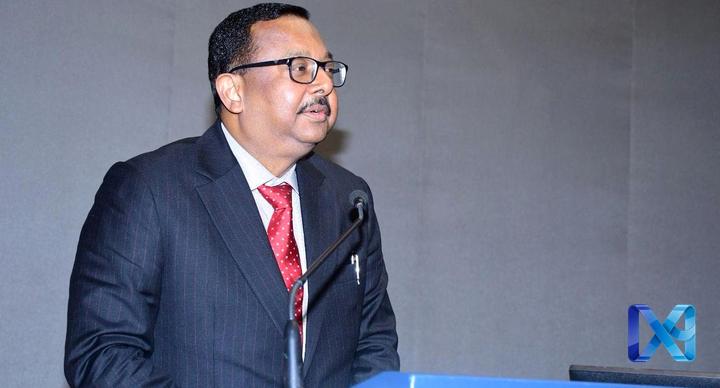
In a recent address at the University of Science and Technology, Meghalaya, a senior Supreme Court judge sounded an alarm about the fragility of democratic societies that tolerate unverified claims and punish inquisitive minds. The remarks tied the health of the nation’s political system to the willingness of its citizens especially young people to question, test, and verify the information they encounter.

Advertisement / Click to Enlarge
Scientific Temper as Constitutional Duty
The judge invoked Article 51A(k) of the Indian Constitution, which mandates the development of a scientific temper, sense of inquiry, and humanism. He argued that this duty extends far beyond laboratory experiments; it is a civic responsibility that must shape the way youths think, debate, and act in public life.
When citizens accept statements without evidence, they surrender the very rational foundation that keeps power in check. History offers countless examples where propaganda, myth, and unchecked authority converged to erode freedoms from colonial regimes to modern autocracies.
Unverified Claims as a Gateway to Authoritarianism
Unverified narratives often flourish in echo chambers, amplified by social media algorithms that reward sensationalism over truth. When the state or influential groups exploit these narratives, they create a climate of fear and conformity. Citizens become more likely to accept top‑down directives without scrutiny, paving the way for centralized control and the suppression of dissent.

Advertisement / Click to Enlarge
The Role of Youth and Education
Universities, the judge emphasized, are the crucibles where scientific temper must be cultivated. Curriculum reforms that prioritize critical thinking, data literacy, and ethical reasoning can inoculate students against misinformation. Extracurricular debates, research projects, and community outreach programs further reinforce a culture of inquiry.
Key Takeaways
- Blind acceptance of information undermines democratic accountability.
- The Constitution explicitly calls for a scientific temper as a civic virtue.
- Authoritarian tendencies thrive where questioning is discouraged.
- Educational institutions must embed critical inquiry across disciplines.
- Youth empowerment is essential to safeguard freedom of thought.