
Pakistan’s Star Players in Limbo as Nepal Premier League Looms Amid PCB No‑Objection Stalemate
Background: The Nepal Premier League’s Rising Profile
The Nepal Premier League (NPL) has quickly become the most anticipated T20 tournament in South Asia, offering a lucrative platform for emerging talent and a fresh audience for cricket‑loving nations. Organisers have promised high‑octane matches, state‑of‑the‑art venues and broadcasting deals that could rival the more established leagues. For Pakistan, a cricket powerhouse, participation has always been a win‑win: players gain exposure, sponsors enjoy brand visibility, and the PCB strengthens diplomatic sporting ties.
Pakistan’s Talent Pool Under Scrutiny
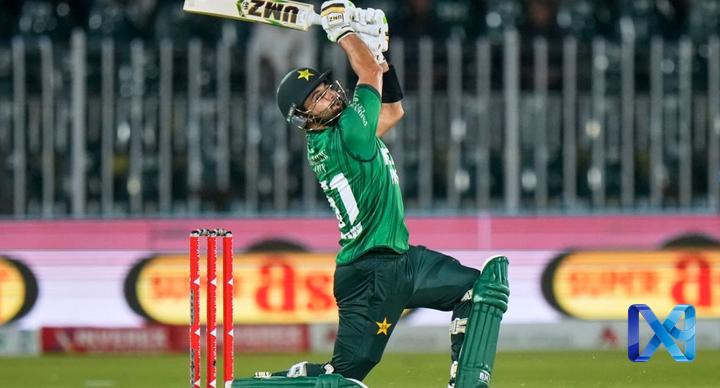
As the league’s kickoff approaches, several marquee Pakistani names – from seasoned all‑rounders to explosive young pacers – are listed as potential signings. Their involvement would have added star quality and ensured competitive balance. However, uncertainty looms because the PCB has yet to issue the mandatory No‑Objection Certificates (NOCs) that permit players to appear in foreign T20 competitions.

Advertisement / Click to Enlarge
Why the NOC Matters
The NOC is more than a bureaucratic formality; it safeguards player welfare, prevents schedule clashes with domestic commitments, and ensures that the PCB retains control over its talent pipeline. Without it, a player risks breaching contractual obligations, facing fines, or jeopardising future national selection. In recent years, the PCB has become increasingly cautious, especially after incidents where players were injured abroad or missed crucial domestic fixtures.
PCB’s Current Stance
Official statements from the Pakistan Cricket Board (PCB) are deliberately vague, citing “administrative procedures” and “player fitness assessments.” Critics argue that the delay is strategic – a way to leverage the NPL’s growing clout for better financial terms or to keep top performers in the domestic circuit ahead of the upcoming ICC calendar. The board’s silence has sparked speculation across social media, with fans and journalists alike questioning whether politics or profit is driving the decision.

Advertisement / Click to Enlarge
Impact on the Nepal Premier League
The NPL’s promoters had banked on Pakistani stars to attract television audiences and sponsorship dollars. Their absence could dilute the tournament’s marketability, especially in a region where cricket viewership is fiercely competitive. Moreover, other franchises from Sri Lanka, Bangladesh and the West Indies have already secured their foreign imports, leaving the NPL with a noticeable talent gap.
Potential Scenarios
- Full Clearance: If the PCB issues NOCs before the league starts, Pakistani players will boost the NPL’s credibility, and the tournament could see a surge in viewership across South Asia.
- Partial Clearance: The PCB might approve a limited number of players, focusing on those not tied to imminent national duties. This compromise would still benefit the NPL but fall short of the original hype.
- Denial: A complete withholding of NOCs would force the NPL to seek replacements, possibly from lower‑ranked nations, which could affect the quality of cricket and commercial returns.
Key Takeaways for Stakeholders
For the PCB, balancing player development, financial incentives and national team priorities remains a delicate act. For the NPL, diversifying the talent pool and strengthening contractual safeguards can mitigate future uncertainties. Fans, meanwhile, should stay tuned – the evolving situation underscores how inter‑board politics can directly shape the entertainment value of regional cricket.