
Live Protest Against India’s Election Commission Ignites Political Tension
Click to Enlarge Image
What Triggered the Live March?
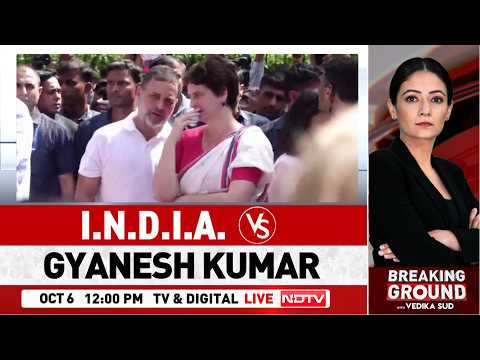
On a heated afternoon, crowds gathered in several Indian metros to march against the Election Commission (EC). The protest was sparked by allegations that senior EC official Gyanesh Kumar had overseen decisions perceived as favoring certain political factions, prompting a wave of public outcry.

Advertisement / Click to Enlarge
Background and Context
India’s electoral machinery is one of the world’s largest, and its credibility rests on the perceived impartiality of the EC. In recent months, policy changes such as revised nomination deadlines and the introduction of new digital voter verification tools have been criticised as lacking transparency. Activists argue that these moves could tilt the playing field ahead of the upcoming general elections.
Key Grievances
- Alleged bias in the allocation of election symbols.
- Concerns over the speed of vote‑counting software rollout.
- Requests for the resignation of officials accused of partisan conduct.
These complaints converged into a coordinated live march, amplified by social media hashtags like #INDIA, #INDIABloc, and #CEC. The demonstrators demanded a public inquiry and greater oversight of the commission’s actions.
On‑Ground Dynamics
At the protest sites, participants carried placards bearing slogans such as “Neutral EC Now” and “Protect Our Vote.” The atmosphere was charged, with chants echoing through city streets. While many marched peacefully, a segment of the crowd confronted police officers, leading to brief clashes that were captured by live‑streaming platforms.

Advertisement / Click to Enlarge
Political Implications
The protest underscores a widening trust gap between citizens and electoral authorities. Analysts warn that sustained dissent could influence voter sentiment, potentially reshaping campaign narratives and voter turnout. Moreover, the involvement of high‑profile political figures though not named here has intensified media scrutiny, turning the protest into a national conversation about democratic safeguards.
Takeaways and Future Outlook
1. **Demand for Transparency:** The march signals an urgent public call for clearer EC procedures and accountability mechanisms.
2. **Impact on Election Narrative:** Parties may adjust their strategies to address voter concerns about fairness, affecting messaging and outreach.
3. **Potential for Policy Reform:** Continued pressure could prompt legislative reviews or the establishment of an independent oversight body for electoral processes.
As the nation heads toward a pivotal election cycle, the reverberations of this live protest will likely shape discussions on democratic integrity for months to come.