
How AI Is Unmasking the Fragile Foundations of the Internet
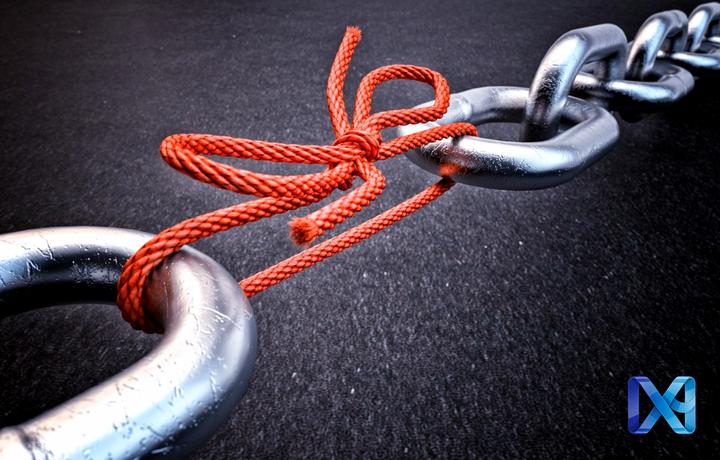
Introduction: The Internet’s Hidden Cracks
The phrase "the internet is held together by glue and dreams" has become a meme, but recent AI‑driven analyses suggest there is truth behind the humor. As large‑language models and machine‑learning diagnostics scan billions of packets, they are exposing latency spikes, packet loss, and architectural bottlenecks that betray a system built on patchwork solutions.

Advertisement / Click to Enlarge
Why AI Can See What Humans Miss
Traditional network monitoring relies on static thresholds and manual reporting. AI, however, can correlate anomalies across continents in real time, flagging subtle patterns that indicate structural decay such as aging copper backbones still in use alongside fiber‑optic highways, or legacy DNS servers that have not been updated in decades.
Key Technical Indicators
- Increased RTT variance: AI models detect widening round‑trip time variance, a symptom of overloaded routing paths.
- Packet retransmission bursts: Machine‑learning classifiers identify bursts that correspond to physical wear on undersea cables.
- Protocol fallback loops: Automated tools uncover frequent fallback to older, less secure protocols, exposing legacy code.
The Ricketiness of Physical Infrastructure
While the cloud promises abstraction, the reality is that data still travels through miles of fiber, copper, and satellite links. AI‑powered satellite imagery combined with on‑ground sensor data reveals that many undersea cables are approaching the end of their design life, and that land‑based conduit maintenance is uneven across regions.
Case Study: The 2023 Atlantic Outage
In late 2023, a combination of a rogue AI diagnostic tool and an independent researcher pinpointed a micro‑fracture in a transatlantic fiber pair. The fault caused intermittent outages for millions, yet traditional alerts missed the anomaly for weeks. This incident underscored how AI can act as an early‑warning system for physical wear.

Advertisement / Click to Enlarge
Economic and Security Implications
The fragility uncovered by AI is not just a technical curiosity it has real economic costs. Downtime translates to billions in lost commerce, while insecure legacy components become attack vectors for nation‑state actors. By exposing these weaknesses, AI forces operators to prioritize upgrades and redesigns.
Key Takeaways
- AI provides a macro‑level view that reveals hidden, systemic weaknesses.
- Physical infrastructure remains the Achilles' heel of the internet, despite cloud abstraction.
- Proactive AI monitoring can shift the industry from reactive firefighting to preventive maintenance.
- Stakeholders must invest in modernizing legacy hardware to mitigate security risks.
In essence, the internet’s “glue and dreams” are being replaced, piece by piece, with data‑driven insights that demand real, tangible upgrades. The question is no longer "if" the internet will crumble, but "when" we will choose to reinforce it before the next AI‑driven revelation forces a costly emergency shutdown.