
Fed Minutes Signal Potential Year‑End Rate Hike as Inflation Stubbornly High
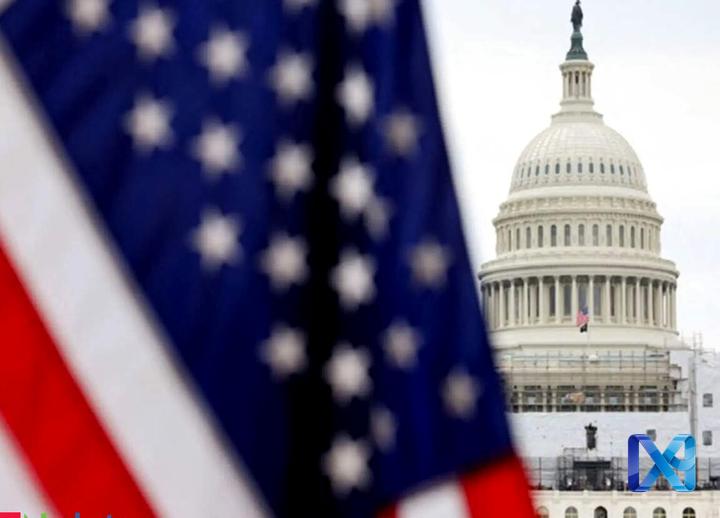
In the latest Federal Reserve minutes, policymakers hinted that a further interest‑rate increase could materialise before the calendar flips to 2025. The language was noticeably tighter than in previous releases, reflecting growing unease about inflation that remains well above the Fed's 2% target. Analysts interpret this as a clear signal that the central bank is prepared to act decisively if price pressures do not ease.

Advertisement / Click to Enlarge
The backdrop to this warning dates back to June 2022, when the Consumer Price Index peaked at 7.2%. Since then, inflation has oscillated, dipping briefly below 4% in early 2024 before rebounding amid renewed supply‑chain bottlenecks, heightened geopolitical tension, and surging energy costs. These dynamics have complicated the Fed's dual mandate of price stability and maximum employment, forcing officials to balance the risk of overtightening against the danger of letting inflation become entrenched.
Key Drivers Behind Persistent Inflation
Three interrelated forces dominate the current inflation narrative:
- Energy volatility: Global oil and natural‑gas prices have surged following supply disruptions in Eastern Europe and the Middle East, pushing headline CPI higher.
- Wage pressures: A tight labour market has spurred wage growth, particularly in sectors like technology and health care, feeding into broader price rises.
- Supply‑chain constraints: Ongoing semiconductor shortages and freight bottlenecks have kept production costs elevated, which businesses often pass on to consumers.
Employment Outlook
Despite the inflationary backdrop, the labour market remains robust. Unemployment hovers near 3.6%, and job openings continue to outpace hires. This resilience reduces the immediate risk of a sharp economic slowdown, but it also means that any rate hike could have a muted impact on job creation while still curbing demand enough to temper price growth.

Advertisement / Click to Enlarge
Potential Policy Pathways
Market participants are weighing three plausible scenarios:
- Gradual tightening: A modest 25‑basis‑point hike later this year, followed by a data‑dependent pause.
- Pre‑emptive aggression: A larger 50‑basis‑point move to quickly bring inflation back on target, risking a short‑term dip in growth.
- Hold and assess: Maintaining rates while closely monitoring core‑inflation trends, signalling confidence that current policy is sufficient.
Each route carries distinct implications for investors, borrowers, and consumers. A premature hike could tighten financial conditions, slowing housing and durable‑goods markets, whereas a delayed response may entrench inflation expectations, forcing the Fed to act more dramatically later.
Takeaways for Stakeholders
• Inflation remains the Fed's primary concern, with energy and wage dynamics keeping headline rates elevated.
• The labour market’s strength provides policy flexibility but also raises the stakes of a mis‑timed rate move.
• Market pricing now reflects a roughly 60% probability of a rate hike before year‑end, up from 35% three months ago.
• Investors should monitor upcoming CPI releases, Fed speeches, and global energy price trends for early signals of a policy shift.
In sum, the minutes underscore a Federal Reserve that is cautiously poised to raise rates if inflation does not show a sustained decline. The next few data releases will be decisive in shaping the final decision, and market participants would do well to stay vigilant.