
Shanto’s Illness Forces Bangladesh’s Star Batsman Out of Asian Games
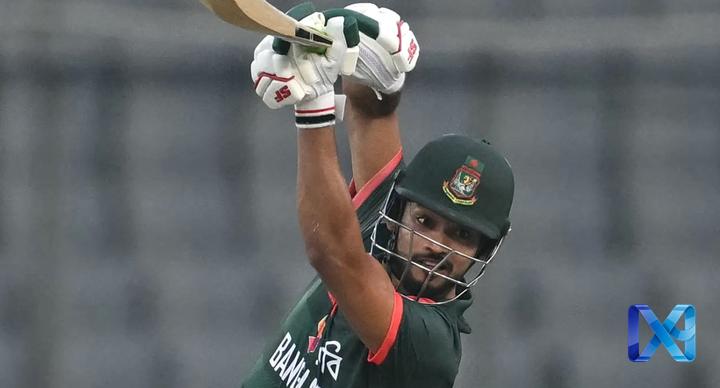
Shanto’s Sudden Exit Casts Shadow Over Bangladesh’s Asian Games Campaign
The Bangladesh Cricket Board confirmed on Monday that Najmul Hossain Shanto, one of the senior top‑order batsmen, has been ruled out of the upcoming Asian Games after falling ill in Nagoya. The decision was taken after medical staff observed a persistent fever that began shortly after his arrival for the men’s cricket competition. While the team hoped to field a full strength squad, Shanto’s absence forces the selectors to reshuffle the batting order and consider replacements who can handle the pressure of a multi‑sport event that carries significant national pride.

Advertisement / Click to Enlarge
Shanto’s career has been marked by resilience and a knack for delivering under pressure. Since his debut in 2017, he has amassed over 2,500 runs in Tests and ODIs, including several match‑winning innings against top‑ranked opponents. His technique against the moving ball and ability to anchor an innings have made him a mainstay in Bangladesh’s limited‑overs line‑up. Missing the Asian Games not only deprives the team of experience but also removes a key mentor for the younger players who view him as a role model.
The Asian Games, held every four years, have become a crucial platform for cricketing nations outside the traditional ICC events. For Bangladesh, a silver or bronze medal would reinforce the country’s rising stature in world cricket and provide a morale boost ahead of the upcoming World Cup qualifiers. The tournament’s format short, high‑intensity matches demands adaptability, depth, and the ability to recover quickly from setbacks, qualities Shanto consistently demonstrated throughout his career.

Advertisement / Click to Enlarge
His sudden illness raises questions about player welfare and preparation logistics. Traveling to Japan amid a lingering global health concern meant that the team’s medical protocols were put to the test. The fever, which persisted for several days, suggests a possible viral infection that could have been mitigated with more stringent pre‑departure health screenings. The board’s swift decision to withdraw Shanto reflects a growing awareness of the need to protect player health over short‑term competitive gains.
In response, Bangladesh’s coaching staff has turned to a blend of youth and experience. Emerging talents like Tanzid Hasan and Mahedi Hasan have been drafted into the squad, while veterans such as Mushfiqur Rahim are expected to shoulder additional responsibility. The reshuffled batting order now places greater emphasis on middle‑order stability, with Rahim potentially opening the innings to compensate for Shanto’s void. This tactical shift may alter the team’s natural rhythm but also offers a chance for fresh faces to make a mark on the continental stage.
Analysts argue that Bangladesh’s chances remain realistic despite the setback. The team’s bowlers, led by Shakib Al Hasan and Mustafizur Rahman, possess the skill set to restrict opposition scoring, while the fielding unit has shown marked improvement in recent series. Moreover, the psychological boost from rallying around a missing senior player could galvanise the side, fostering a collective resolve to honour Shanto’s commitment by performing at their best.
Key takeaways from this development include:
- Player health protocols must be reinforced for international tournaments, especially in post‑pandemic travel scenarios.
- Bangladesh’s depth in batting is being tested, highlighting the need for accelerated development of young talent.
- The team’s bowling strength remains its primary weapon, and strategic use of senior players in the batting order can offset the loss.
- A successful campaign without Shanto could signal a new era of resilience for Bangladesh cricket.