
Injury Blow Hits South Africa Tour as Ellis & Davies Withdraw; Australia A Shuffles Squad Ahead of Final ODI
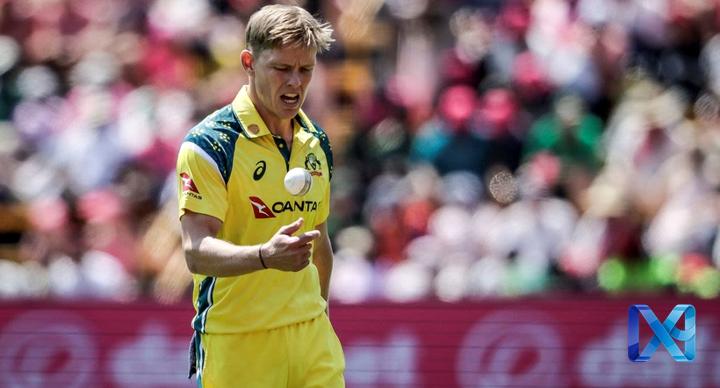
South Africa Tour Stumbles with Key Injuries
The recent South Africa tour has been rattled by the abrupt loss of two promising players, Ellis and Davies, both forced out after sustaining injuries during the early matches. Their absence not only dents the squad’s depth but also raises questions about the team’s resilience in the upcoming fixtures.

Advertisement / Click to Enlarge
Ellis, a dynamic all‑rounder known for his aggressive batting and handy seam bowling, suffered a hamstring strain that medical staff deemed serious enough to require a three‑week recovery period. Davies, a specialist spinner, pulled a calf muscle while fielding, sidelining him for the remainder of the tour. Both injuries occurred in quick succession, leaving the coaching staff scrambling for suitable replacements.
Impact on Team Strategy
Without Ellis’s middle‑order firepower, the team’s batting order loses a crucial stabiliser capable of accelerating the run rate in the death overs. Similarly, Davies’s departure strips the side of a wicket‑taking option in the spin department, forcing the captain to rely heavily on part‑time spinners who lack the same penetration.
The loss also affects morale. Players often draw confidence from teammates who can turn the tide of a match, and the sudden void creates a psychological gap that the side must now address.
Australia A Tour Disruptions
Across the Indian Ocean, Australia A faces its own turbulence as Doggett, O'Neill, and Kellaway have returned home early to join their Shield commitments. Their departure comes just before the final One‑Day International (ODI), and the board has chosen not to name any direct replacements for the match.

Advertisement / Click to Enlarge
These three cricketers were integral to the team’s balance: Doggett, a top‑order batsman, offered stability; O'Neill, a left‑arm pacer, provided variety; and Kellaway, a seam bowler, added depth to the pace attack. Their abrupt exit leaves the side thin on experienced options, prompting the coaching staff to promote younger talents from the bench.
The decision to forgo replacements reflects a strategic focus on developing emerging players rather than patching the squad with temporary fixes. It also underscores the challenges of managing dual commitments between domestic and international fixtures.
Underlying Causes and Preventative Measures
Injuries like those suffered by Ellis and Davies often stem from a combination of workload, pitch conditions, and insufficient recovery protocols. The South African venues, known for their fast, bouncy tracks, place additional stress on fast‑bowlers and all‑rounders. Likewise, the packed schedule of the Australia A tour, with long travel days and limited rest, heightens fatigue, increasing the likelihood of muscle strains.
Both boards have publicly pledged to reassess their player‑management strategies. Enhanced physiotherapy support, tailored conditioning programs, and more stringent monitoring of player workloads are being discussed as immediate actions.
Key Takeaways
- Ellis and Davies’s injuries expose the fragility of touring squads and the need for robust backup plans.
- Australia A’s decision to not name replacements highlights a developmental focus but risks competitive imbalance.
- Both incidents underline the importance of workload management and proactive injury prevention.
Fans and analysts will be watching closely how the respective teams adapt. The coming matches will serve as a litmus test for depth, adaptability, and the effectiveness of any newly implemented health protocols.