
Indian Woman in Canada Reveals Hidden Sacrifices of Life Abroad – Reactions Spark Debate
Behind the Headlines: An Immigrant’s Unseen Struggles
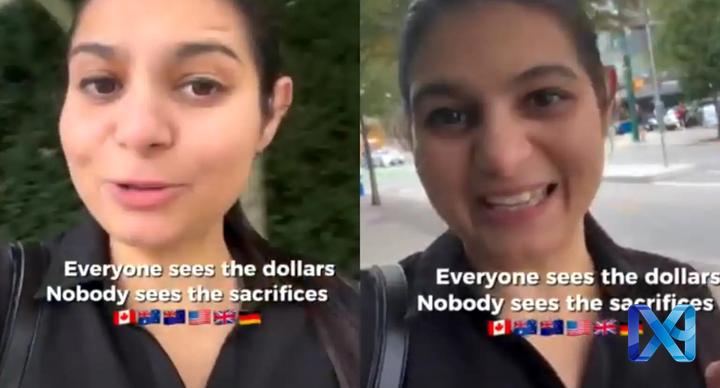
When an Indian woman recently shared her candid reflections on life in Canada, the post quickly went viral, igniting a wave of online commentary. Her story cuts through the glossy narratives of success that dominate diaspora discourse, exposing the emotional and cultural costs that often remain invisible to the broader public.

Advertisement / Click to Enlarge
The Context of Migration
Canada has long positioned itself as a welcoming destination for skilled immigrants, offering pathways to permanent residency, robust social services, and a reputation for multiculturalism. For many Indian professionals, the promise of higher wages and a safer environment appears irresistible. Yet the decision to uproot a life built around family, community, and familiar customs carries hidden tolls.
Statistical data from Immigration, Refugees and Citizenship Canada (IRCC) shows a steady rise in Indian nationals obtaining study and work permits over the past decade. While these numbers highlight economic contributions, they mask a deeper reality: the psychological adjustment required to navigate a new social fabric, often without the safety nets that existed back home.
Personal Sacrifices Unveiled
The woman’s post detailed three core areas of sacrifice: family separation, cultural dissonance, and identity erosion. She described missing everyday rituals like shared meals during festivals and the strain of being physically distant from aging parents who rely on her support. Even as she built a career, the weight of guilt and loneliness persisted.
Beyond family, she spoke of the cultural shock that arises from subtle microaggressions and a workplace culture that, while inclusive on paper, can feel alienating in practice. The pressure to assimilate while preserving one’s heritage creates a constant balancing act, leading many to question whether the perceived “better life” outweighs the personal cost.

Advertisement / Click to Enlarge
Online Reactions: A Spectrum of Opinions
The post garnered a polarized response. Supporters praised her bravery, calling for more nuanced conversations about immigrant well being. Critics, however, accused her of “complaining” about opportunities that many in India still lack, framing her experience as a privileged perspective.
These reactions underscore a broader societal divide: the tendency to celebrate economic success while overlooking mental health, and the expectation that immigrants should seamlessly adapt without expressing vulnerability.
Key Takeaways
- Economic incentives alone do not guarantee holistic well‑being for immigrants.
- Family and cultural ties remain powerful determinants of mental health.
- Public discourse must shift from glorifying success to addressing hidden sacrifices.
- Policymakers and employers should invest in culturally competent support systems.
By listening to voices like hers, societies can begin to craft policies that honor both the contributions and the challenges of immigrant communities, fostering environments where success is measured in more than just financial terms.