
Tesla Roadster Takes Flight: Engineering Marvel or Elon Musk Spectacle?
Click to Enlarge Image
Introduction: The Buzz Around Tesla's Flying Roadster
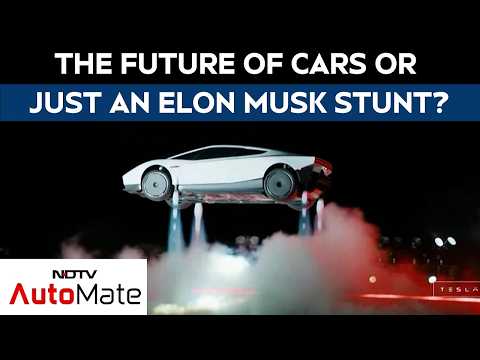
The automotive world was set ablaze when Tesla unveiled a prototype of its next‑generation Roadster equipped with cold‑gas thrusters that lift the car off the ground. The dramatic demonstration, broadcast worldwide, has reignited the age‑old fantasy of flying cars and sparked heated debate among engineers, regulators, and consumers.
While the spectacle captured headlines, the core question remains: is this a genuine leap forward in transportation technology or a high‑octane marketing stunt designed to keep Tesla in the cultural spotlight?

Advertisement / Click to Enlarge
Technical Foundations: From SpaceX to the Roadster
The Roadster’s propulsion system borrows heavily from SpaceX’s cold‑gas thruster technology, using compressed nitrogen to generate lift without combustion. Each thruster can produce roughly 500 kg of thrust, enough to raise the 2,200‑lb sports car a few feet off the tarmac for a short burst. The vehicle retains its electric powertrain, delivering 0‑60 mph in under 2 seconds, but the real novelty lies in the integration of aerospace‑grade components into a consumer‑grade chassis.
Performance Claims
- Top speed: 250 mph (estimated, not yet verified)
- Range: 620 miles on a single charge
- Thrust: 2,000 kg total from four cold‑gas units
Critics argue that these figures are theoretical and that real‑world performance will be limited by regulatory constraints, battery weight, and the need for dedicated take‑off zones.
Safety, Regulation, and Infrastructure
Flying a car introduces a host of safety challenges. Existing aviation regulations are ill‑suited for low‑altitude, high‑speed ground‑to‑air transitions. Authorities would need to define airspace corridors, certify thruster reliability, and establish emergency procedures for mid‑air failures.
In India, where traffic congestion and road safety are already pressing concerns, the regulatory pathway appears even more complex. The country’s civil aviation body would have to coordinate with the Ministry of Road Transport, a daunting bureaucratic undertaking that could delay any commercial rollout by years.

Advertisement / Click to Enlarge
Impact on Indian Consumers
For the average Indian driver, the flying Roadster is unlikely to become a daily commute solution anytime soon. The price tag, limited production run, and infrastructure demands place it squarely in the realm of niche luxury. However, the technology’s trickle‑down effect could accelerate advancements in electric propulsion, battery density, and autonomous navigation areas where India is already making strides.
Potential Benefits
- Improved electric drivetrain efficiency
- Cross‑industry collaboration between automotive and aerospace sectors
- Stimulus for local R&D in high‑performance materials
Future Outlook: From Drones to Mass‑Market Flying Cars
While the Roadster may not herald an immediate shift to aerial highways, it serves as a proof‑of‑concept that electric thrust can be harnessed safely. The rapid evolution of delivery drones and electric vertical take‑off and landing (eVTOL) aircraft suggests a pathway where lighter, purpose‑built vehicles could one day share airspace with conventional traffic.
Ultimately, the Roadster’s legacy will be measured not by how many consumers purchase a flying sports car, but by how it pushes engineers to rethink the boundaries between road and sky.
Key Takeaways
- The flying Roadster showcases a daring fusion of automotive and aerospace tech.
- Regulatory and safety hurdles make near‑term consumer adoption unlikely, especially in markets like India.
- The showcase may catalyze broader innovations in electric propulsion and autonomous flight.