
Shreyas Iyer Praises Shai Hope’s Aggressive Cricket and Reveals India’s Winning Mindset
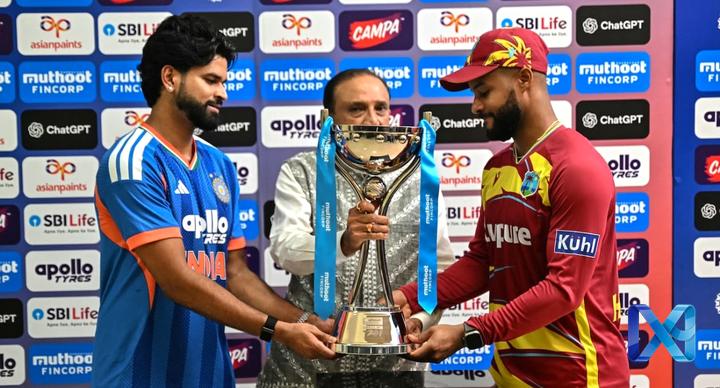
Series backdrop and the stakes
The recent bilateral series between India and the West Indies has been more than a collection of matches; it has been a laboratory for testing strategies, player form, and mental resilience. India entered the series with a clear objective: to dominate with both bat and ball while rotating the squad to give emerging talent a platform. The West Indies, traditionally known for their flair, aimed to counter with aggressive stroke‑play and disciplined bowling. As the series progressed, the narrative shifted from a simple contest of runs to a deeper examination of how teams adapt their approach under pressure, especially in the shorter formats where momentum swings can decide outcomes within a few overs.
Shreyas Iyer’s observation on Shai Hope
Mid‑way through the series, Indian batsman Shreyas Iyer made a striking comment about West Indian opener Shai Hope, noting that the latter “was cruising through in the series.” The remark was not just a compliment but an acknowledgment of a player who seemed comfortable, confident, and in control of his game plan. Hope’s ability to rotate the strike, find gaps, and accelerate when needed highlighted a blend of technical proficiency and mental composure. Iyer’s praise underscored a broader respect among top‑order batsmen for opponents who can impose their own rhythm, forcing the fielding side to constantly adjust. This mutual recognition elevated the tactical chessboard, prompting Indian bowlers to rethink line and length, while Indian batsmen revisited their own pacing strategies.

Advertisement / Click to Enlarge
Beyond the surface‑level admiration, Iyer’s comment reflected a deeper analysis of how consistency breeds confidence. When a batsman “cruises” through an innings, the opposition often feels the pressure to innovate, which can lead to erratic field placements or over‑aggressive bowling changes. The psychological edge gained by Hope translated into tangible runs and a steady partnership that anchored the West Indian innings, compelling India to adapt its fielding setups and bowling rotations on the fly.
The aggressive mindset: a deliberate strategy
Speaking after the third Test, Iyer elaborated on India’s overarching philosophy: “We had this mindset that we want to play aggressive cricket and see to it that we are at the top of our game.” This declaration was not a mere slogan; it was the result of meticulous planning during the team’s preparation camp. The coaching staff emphasized a high‑tempo approach, encouraging batsmen to attack the first few overs, while bowlers were instructed to look for wicket‑taking opportunities rather than merely containing runs. The objective was two‑fold: to put the opposition under immediate pressure and to maintain a positive self‑image that fuels confidence.
The aggressive approach demanded that each player own a clear role. Openers were expected to dominate the powerplay, middle‑order batsmen to accelerate in the middle overs, and finishers to provide a blistering end‑game. Bowlers, in turn, were trained to bowl with intent, using variations to create doubt in the batsman's mind. This philosophy resonated throughout the series, evident in the way Indian players backed themselves up with decisive shot selection and assertive field placements.

Advertisement / Click to Enlarge
Key takeaways for future contests
- Mindset matters: A collective belief in aggressive play can translate into decisive actions on the field.
- Adaptability is crucial: Recognising an opponent’s comfort, as Iyer did with Hope, allows teams to tweak strategies in real time.
- Execution over intention: Plans only succeed when players back them with skillful execution, evident in India’s seamless transitions between phases of the game.
- Psychological edge: Consistent performance breeds confidence, which in turn forces opponents into reactive rather than proactive modes.
In summary, the series served as a case study in how a clear, aggressive mindset, combined with real‑time tactical adjustments, can elevate a team’s performance. Iyer’s insights not only highlighted the respect between top batsmen but also reinforced the importance of mental fortitude and strategic flexibility. As India looks ahead to upcoming tours, the lessons from this encounter especially the value of cruising confidence and an aggressive game plan will likely shape their preparation and on‑field decisions for months to come.