
Houthi Rocket Barrage Hits Aden Airport and Government‑Controlled City
Overview of the Friday Night Attack
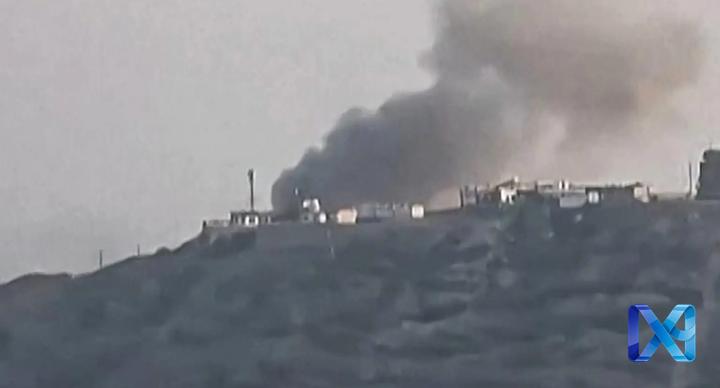
In the early hours of Friday, two unguided projectiles slammed into Aden International Airport, creating craters on the runway and igniting fires near the terminal. Simultaneously, Houthi‑aligned forces launched a series of rockets that struck residential districts within the government‑controlled part of Aden, the city that hosts Yemen's internationally recognised government. The synchronized nature of the strikes indicates a deliberate attempt to cripple both the logistical lifeline and the political heart of the southern administration.

Advertisement / Click to Enlarge
Why Aden Matters in the Yemen Conflict
Aden is more than a city; it is the de‑facto capital for the government in exile, a hub for humanitarian convoys, and a gateway for commercial trade. The port handles a majority of the country’s imported food, medicine, and fuel, while the airport remains the primary aerial route for aid deliveries, diplomatic missions, and coalition support. Disrupting either facility reverberates throughout the nation, amplifying the humanitarian emergency that already claims tens of thousands of lives each year.
Historical Background of the Southern Stronghold
Since the Saudi‑UAE coalition seized Aden in 2015, the city has been under constant threat from Houthi missile and drone raids. The Houthis, backed by Iranian advisors, have progressively refined their long‑range strike capability, moving from crude artillery shells to precision‑guided missiles capable of reaching targets over 700 kilometres away. Past attacks have targeted the port’s berths, the governor’s palace, and even the main power grid, each time forcing the government to divert scarce resources to emergency repairs.
Current Military Dynamics
Recent cease‑fire negotiations in Riyadh have stalled, with both sides accusing the other of bad faith. The Houthis claim the strikes are retaliation for coalition air campaigns that have bombed their strongholds in the north, while coalition officials argue the attacks are an attempt to force the Yemeni government back to the negotiating table. Intelligence analysts note that the Friday barrage is one of the most coordinated night operations recorded since the conflict’s escalation in 2022, suggesting a higher level of operational planning and possibly new external support.

Advertisement / Click to Enlarge
Humanitarian Impact and Civilian Toll
Early reports from local health clinics confirm at least twelve injuries among airport staff and passengers, ranging from shrapnel wounds to smoke inhalation. No fatalities have been officially verified, but the chaotic aftermath makes accurate accounting difficult. Damage to the runway will likely suspend commercial and humanitarian flights for an estimated two to three weeks, delaying the arrival of critical medical supplies, vaccines, and food parcels destined for millions of Yemenis.
- Humanitarian convoys that normally pass through Aden’s port face bottlenecks, forcing aid agencies to reroute shipments through the more precarious northern corridors.
- Families residing in the struck neighborhoods are facing temporary displacement, with schools and clinics forced to close for safety inspections.
- Heightened security checkpoints are expected to slow civilian movement, further hampering daily commerce and access to essential services.
International and Regional Reactions
The United Nations Office for the Coordination of Humanitarian Affairs (OCHA) issued a stark warning that the attacks jeopardise the fragile supply chain sustaining 20 million Yemenis. The European Union called for an immediate cease‑fire and urged all parties to respect civilian infrastructure. Meanwhile, Saudi Arabia and the United Arab Emirates reiterated their commitment to defend Yemen’s sovereign institutions, signalling the possibility of intensified aerial retaliation if the Houthis continue targeting civilian hubs.
Military Assessment of Houthi Capabilities
Open‑source satellite imagery shows fresh crater formations on the runway, confirming the use of high‑explosive warheads rather than purely kinetic munitions. Analysts infer that the projectiles were likely launched from Houthi‑controlled territories in the north, traveling over 600 km before impact. This range demonstrates a notable leap in missile technology, possibly indicating new procurement channels or indigenous upgrades to older Soviet‑era systems.
Potential Political Outcomes
Should Aden’s airport remain out of service for an extended period, the government’s ability to host diplomatic delegations and coordinate coalition operations will be severely constrained. The attacks may pressure the Yemeni leadership to accelerate peace talks, but they could also harden positions, prompting the coalition to launch a broader offensive against Houthi positions. The balance of power in southern Yemen hangs in the balance, with civilian suffering caught in the crossfire.
Key Takeaways
The Friday night strikes underscore the Houthis’ expanding reach into government‑held territory, highlighting a strategic shift from peripheral harassment to direct attacks on critical infrastructure. Immediate consequences include disrupted aid flows, civilian injuries, and a looming humanitarian surge. Long‑term implications depend on how quickly the government can repair the airport, how the international community responds, and whether diplomatic channels can regain momentum before the conflict spirals further.