
Japan Earthquake Crisis
Click to Enlarge Image
The recent earthquake in Japan has brought widespread destruction and chaos to the country. The 7.1 magnitude quake hit the southern main island of Kyushu, causing significant damage to infrastructure and disrupting daily life.
Background Context
The earthquake struck on a day when the country was already on high alert due to previous seismic activity in the region. The Japanese government has been working tirelessly to respond to the disaster and provide aid to affected areas.
Aid Efforts
Volunteers have been gathering in the worst hit areas, including Uki in Kumamoto Prefecture, to help with relief efforts. Over 100 volunteers queued to be assigned tasks at a registration camp, with 150 to 200 volunteers signing up daily since August 6.

Advertisement / Click to Enlarge
The U.S. Forces Japan has also been involved in the relief efforts, airlifting 33,000 bottles of drinking water to the Japanese Ground Self Defence Force's Vice Camp Takayubaru in Kumamoto.
Impact on Hospitals
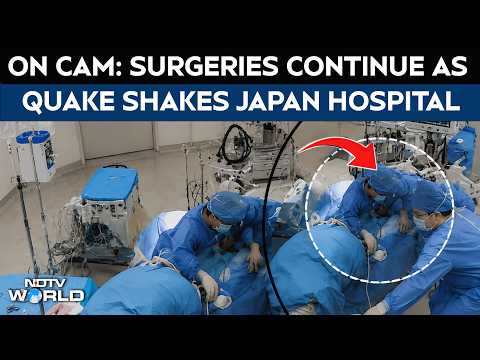
A camera installed in one of Kumamoto General Hospital's operating theatres captured the moment the earthquake struck, showing the chaotic scene as medical staff rushed to respond to the emergency.

Advertisement / Click to Enlarge
The video footage has been widely shared on social media, giving a glimpse into the challenges faced by medical staff during the disaster. The Japanese government has been working to ensure that hospitals and medical facilities have the necessary resources to respond to emergencies during natural disasters.
- The earthquake has highlighted the importance of disaster preparedness and response.
- The Japanese government has been working to improve its response to natural disasters, including earthquakes and tsunamis.
- International cooperation has been crucial in providing aid and support to affected areas.