
Trump Seeks Unified Foreign Spy Database Amid Intelligence Agency Resistance
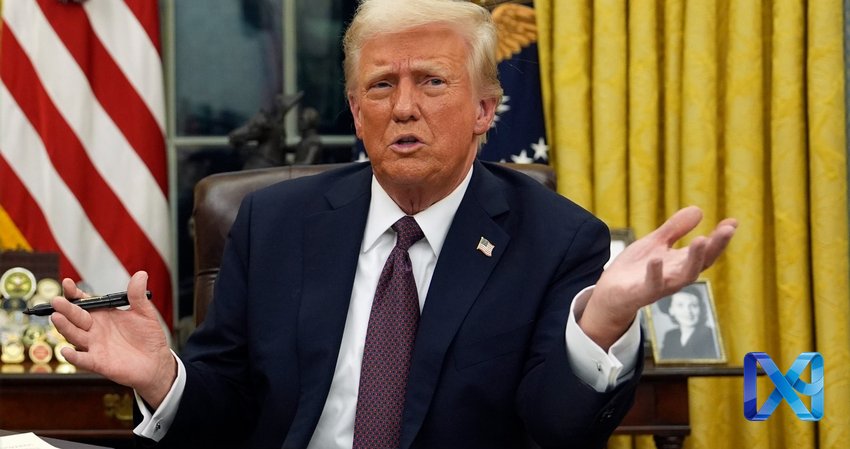
The US intelligence community is at odds with President Trump over a proposal to create a master list of foreign spies. This unified database would contain the names of all known foreign intelligence operatives, potentially compromising long running secret investigations.
Background and Context
The idea of consolidating intelligence on foreign spies into one central database is not new, but it has gained significant attention under the Trump administration. Proponents argue that such a database would enhance national security by facilitating information sharing among different intelligence agencies.
Concerns and Implications
However, many officials within the intelligence community are opposed to this idea, citing the risks of exposing sensitive information and undercover operations. They argue that putting all these names into one central database could be dangerous, as secret investigations that have been running for years could be exposed.

Advertisement / Click to Enlarge
A unified database would require significant resources to maintain and secure, and there are concerns about the potential for data breaches or unauthorized access. Furthermore, the creation of such a database raises questions about privacy and civil liberties, particularly in the context of domestic surveillance.
Potential Consequences
The consequences of creating a master list of foreign spies could be far reaching. It could lead to a significant shift in the way intelligence is gathered and shared, potentially disrupting existing operations and relationships with foreign partners.
- Compromised investigations: The exposure of long running secret investigations could compromise national security and undermine trust in the intelligence community.
- Data security risks: The centralization of sensitive information in one database increases the risk of data breaches or unauthorized access.
- Privacy concerns: The creation of such a database raises questions about privacy and civil liberties, particularly in the context of domestic surveillance.

Advertisement / Click to Enlarge
In conclusion, the proposal to create a master list of foreign spies is a complex issue with significant implications for national security, privacy, and civil liberties. While the idea of consolidating intelligence may seem appealing, it is crucial to carefully consider the potential consequences and ensure that any such database is properly secured and regulated.