
China's Factory Inflation Surges
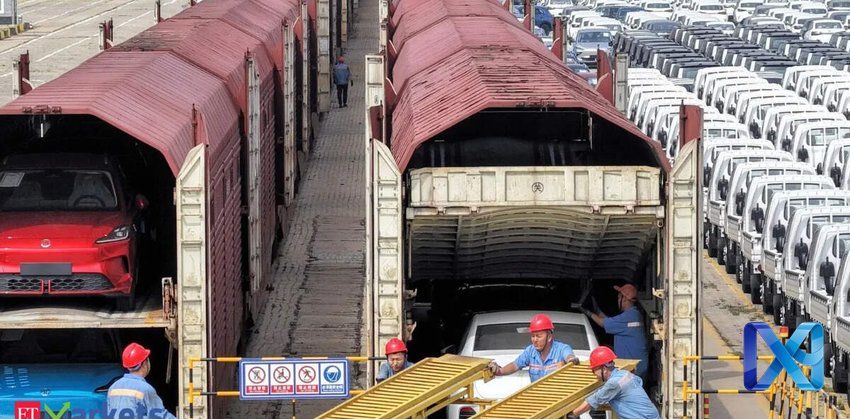
China's factory inflation has reached its highest level in four years, driven by rising energy and commodity costs. This surge in producer prices has significant implications for the global market, particularly for metals and industrial stocks.
Background Context
The recent data release shows that producer prices rose at an annual rate of 4.1 percent in June, the fastest pace since 2018. This increase is largely attributed to higher energy and raw material costs, which have been fueled by global demand and supply chain disruptions.

Advertisement / Click to Enlarge
Impact on Manufacturers
While manufacturers face rising costs, they are struggling to pass these increases onto consumers due to weak domestic demand. This uneven recovery highlights the strength of export markets against domestic economic pressures. As a result, manufacturers are experiencing squeezed profit margins, which could impact their ability to invest in future growth.
The impact of this inflation surge is far reaching, with implications for various sectors. Some of the key areas affected include:
- Metal and mining stocks, which may experience increased volatility due to fluctuating commodity prices
- Industrial companies, which may face higher production costs and reduced profit margins
- Consumer goods, which may see higher prices due to increased raw material costs

Advertisement / Click to Enlarge
Key Takeaways
The surge in China's factory inflation has significant implications for the global market. While export markets remain strong, domestic demand remains weak, leading to an uneven recovery. As the global economy continues to navigate these challenges, it is essential to monitor the situation closely and adjust investment strategies accordingly.