
Uncovering the Secrets of Headless Skeletons at Stone Age Site
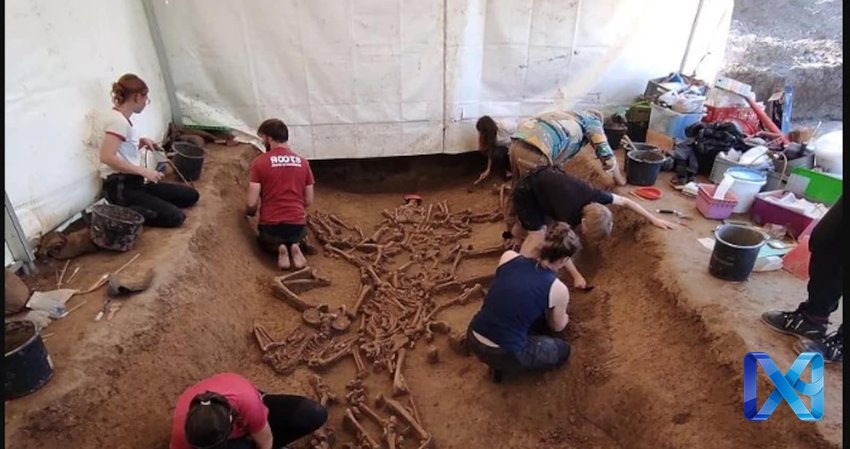
The recent discovery of nearly 80 headless human skeletons at a Stone Age site has sent shockwaves through the archaeological community. The finding has provided new insights into the lives of farming societies 7,000 years ago.
Introduction to the Site
The site, which dates back to the Neolithic period, is a treasure trove of information about the people who lived during that era. The discovery of headless skeletons is not uncommon, but the sheer number of skeletons found at this site is unprecedented.
background Context
The Neolithic period was a time of great change and upheaval. It was during this period that humans began to transition from a nomadic, hunter gatherer lifestyle to one that was more sedentary and focused on farming.

Advertisement / Click to Enlarge
This transition had a profound impact on the way people lived and interacted with one another. The discovery of headless skeletons at the Stone Age site provides a unique window into the lives of these early farming societies.
Analysis of the Findings
The headless skeletons found at the site are significant not only because of their number, but also because of what they can tell us about the culture and practices of the people who lived during that time. Some of the key findings include:
- The skeletons were found in a variety of positions, suggesting that they may have been buried in a deliberate and ritualistic manner.
- The lack of heads on the skeletons is intriguing, and may suggest that the heads were removed as part of a burial ritual or as a way of preventing the spirits of the dead from returning.
- The discovery of farming tools and other artifacts at the site suggests that the people who lived there were engaged in agriculture and other forms of subsistence.

Advertisement / Click to Enlarge
These findings have significant implications for our understanding of the Neolithic period and the people who lived during that time. They provide a unique glimpse into the culture, practices, and daily lives of these early farming societies.
Key Takeaways
The discovery of headless skeletons at the Stone Age site is a significant finding that sheds new light on the lives of early farming societies. The findings suggest that these societies were complex and sophisticated, and that they engaged in a variety of cultural and ritualistic practices.