
King Charles Rejects Buckingham Palace Residence Post Renovation
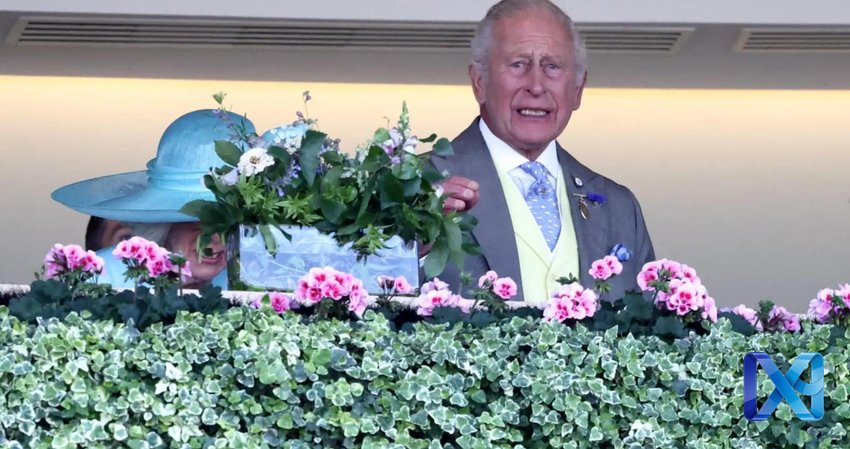
The British monarchy has been a subject of interest for centuries, with many people following the lives of the royal family. Recently, it was announced that King Charles will not be living at Buckingham Palace after the renovations are completed.
Background Context
The decision to not reside at Buckingham Palace is not entirely surprising, given that neither King Charles nor the late Queen Elizabeth had stayed overnight at the palace since 2019. This raises questions about the future of the palace and its role in the monarchy.
Possible Reasons
There are several possible reasons why King Charles may have decided not to live at Buckingham Palace. One reason could be the cost of maintaining the palace, which is estimated to be in the millions. Another reason could be the desire for a more private and intimate living space.
- Cost of maintenance
- Desire for privacy
- Changing role of the monarchy
Despite the reasons, the decision is likely to have significant implications for the monarchy and its relationship with the public.

Advertisement / Click to Enlarge
The palace has been a symbol of the British monarchy for centuries, and its empty halls may be seen as a sign of a declining institution. On the other hand, the decision could also be seen as a sign of a more modern and adaptable monarchy, one that is willing to change with the times.
Key Takeaways
The decision by King Charles to not live at Buckingham Palace is a significant one, with potential implications for the monarchy and its role in British society. As the monarchy continues to evolve, it will be interesting to see how this decision plays out and what it means for the future of the palace.

Advertisement / Click to Enlarge
In conclusion, the decision by King Charles to not live at Buckingham Palace is a complex one, with multiple factors at play. While it may be seen as a sign of a declining monarchy, it could also be a sign of a more modern and adaptable institution.