
Federal Reserve Shifts Communication Strategy
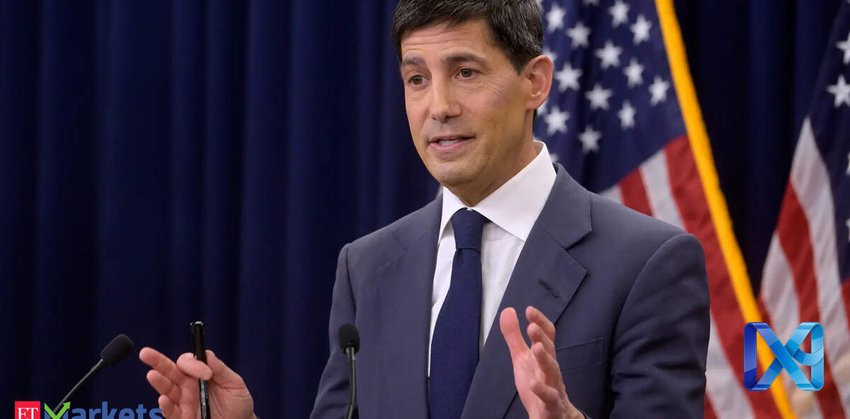
The Federal Reserve, under the leadership of new Chair Kevin Warsh, is implementing a significant reduction in communication, particularly with regards to forward guidance on interest rates. This shift in strategy aims to make markets less reliant on Fed signals, but has already led to increased market volatility.
Analysts warn that this move could result in higher borrowing costs for consumers and businesses, which contrasts with the approaches of previous chairs who utilized guidance to stabilize markets and lower rates.

Advertisement / Click to Enlarge
Background Context
Historically, the Federal Reserve has used forward guidance as a tool to influence market expectations and shape monetary policy. By providing clear signals about future interest rate decisions, the Fed has been able to stabilize markets and maintain economic growth.
Key Takeaways
- The Federal Reserve is reducing its communication, particularly forward guidance on interest rates.
- This move aims to make markets less reliant on Fed signals.
- Analysts warn that this could lead to higher borrowing costs for consumers and businesses.

Advertisement / Click to Enlarge
The implications of this shift in strategy are far reaching, and it remains to be seen how markets will respond in the long term. As the Federal Reserve continues to adapt its approach to monetary policy, it is essential for consumers and businesses to stay informed about the potential impacts on the economy.