
U.P. Congress chief Ajay Rai booked over ‘objectionable’ comment on PM Modi
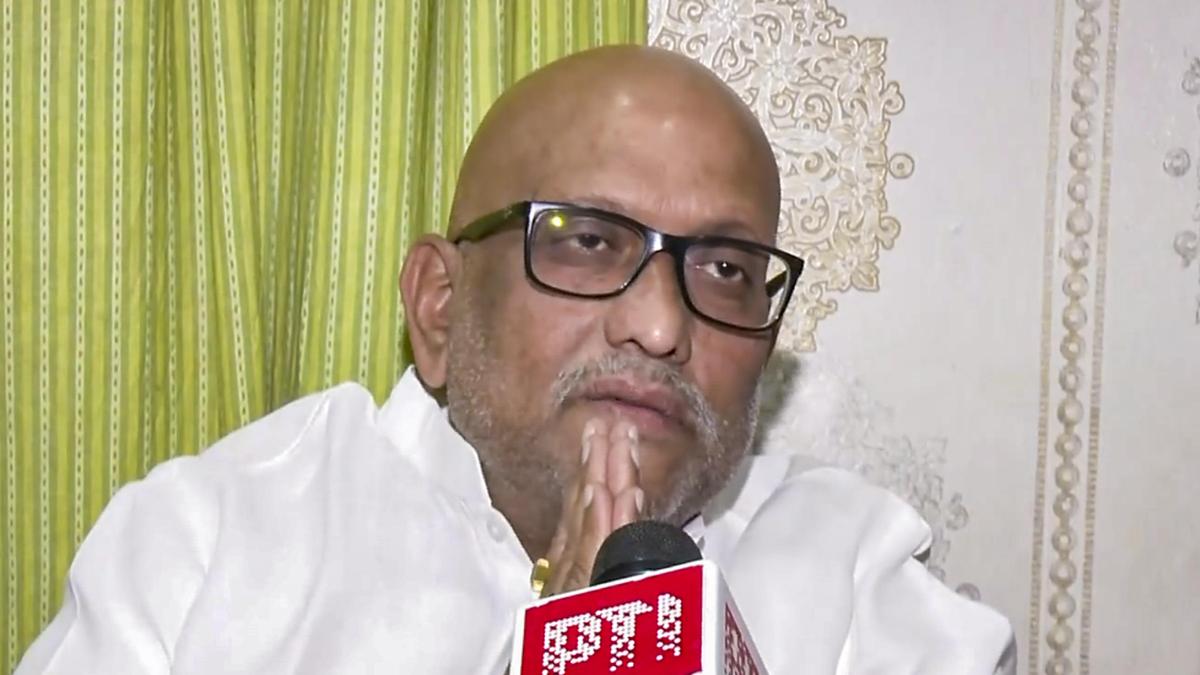
Controversy Erupts: U.P. Congress Chief Ajay Rai Booked Over Comment on PM Modi
A recent development in Indian politics has sparked intense controversy and debate. U.P. Congress chief Ajay Rai has been booked over an allegedly objectionable comment made about Prime Minister Narendra Modi. This move has significant implications for the political landscape, highlighting the tensions between different political parties and the use of legal and political tools to address dissenting voices.
Mr. Rai's comment, which has not been specified in detail, was deemed objectionable enough to warrant a First Information Report (FIR) against him. This legal action has been met with a strong response from Mr. Rai, who views the FIR as an act of intimidation. He accuses the BJP government of misusing state apparatus and police forces to silence opponents and stifle criticism.
This incident raises crucial questions about the state of political discourse in India. The ability to critique and hold leaders accountable is a fundamental aspect of democracy. However, when such critiques are met with legal repercussions, it can have a chilling effect on free speech and political engagement. The BJP government's stance on this matter will be closely watched, as it reflects on the government's commitment to democratic principles and the protection of individual rights.
The political fallout of this event is also significant. The Congress party, already navigating challenging political waters, will need to strategize its response carefully. Supporting Mr. Rai could be seen as a stand for democratic rights, but it also risks further polarizing the political environment. Meanwhile, the BJP will need to balance its response to ensure that it is seen as acting within the bounds of the law, without appearing to suppress dissent.
In conclusion, the booking of Ajay Rai over his comment on PM Modi is a complex issue with deep implications for Indian politics and democracy. As the situation unfolds, it will be crucial to monitor how political parties, the legal system, and the public respond to this challenge to democratic discourse.