
EU's six biggest economies agree on capital markets supervision
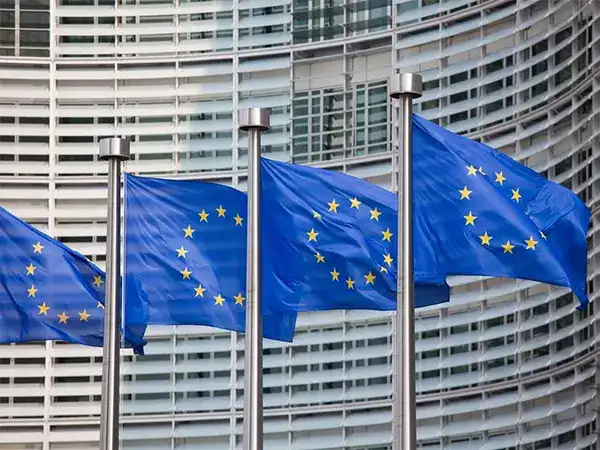
EU's Six Biggest Economies Agree on Centralized Capital Markets Supervision
Europe's six largest economies have reached an agreement to support more centralized supervision of capital markets, a move that is expected to play a crucial role in integrating Europe's financial markets. This development is a significant step forward in the region's efforts to strengthen its financial sector and increase its global competitiveness.
The primary goal of this agreement is to redirect citizens' savings into productive investments, which will help stimulate economic growth and boost Europe's global competitiveness against other major economies such as the United States and China. By creating a more integrated and supervised capital market, Europe aims to attract more investors and encourage the flow of capital into productive sectors.
This move is also expected to enhance the overall stability of Europe's financial system by reducing the risk of market fragmentation and improving regulatory oversight. A more centralized system of supervision will enable regulators to respond more effectively to potential risks and challenges, thereby protecting the interests of investors and maintaining confidence in the market.
The agreement is a testament to the commitment of Europe's largest economies to work together to achieve common goals and address shared challenges. It reflects a growing recognition of the need for greater cooperation and integration in the region's financial sector, and it is expected to have a positive impact on the overall economic outlook for Europe.
Implications for Europe's Global Competitiveness
The implications of this agreement are far reaching, and they are expected to have a significant impact on Europe's global competitiveness. By creating a more integrated and supervised capital market, Europe can attract more foreign investment, stimulate economic growth, and increase its competitiveness in the global economy.
As the global economy continues to evolve, Europe's ability to adapt and respond to changing circumstances will be critical to its long term success. This agreement is an important step in the right direction, and it reflects a growing recognition of the need for greater cooperation and integration in the region's financial sector.